A Possible Platform to Change the Organ Transplant Process

The location that a patient lists for an organ transplant can dramatically shape the odds of receiving a donation and the wait times to receive it.
Wait times for the same organ can differ by years across transplant centers. In some cases, a kidney patient might wait eight months at one center while waiting eleven years at another. Yet most patients have no easy way to compare their options.
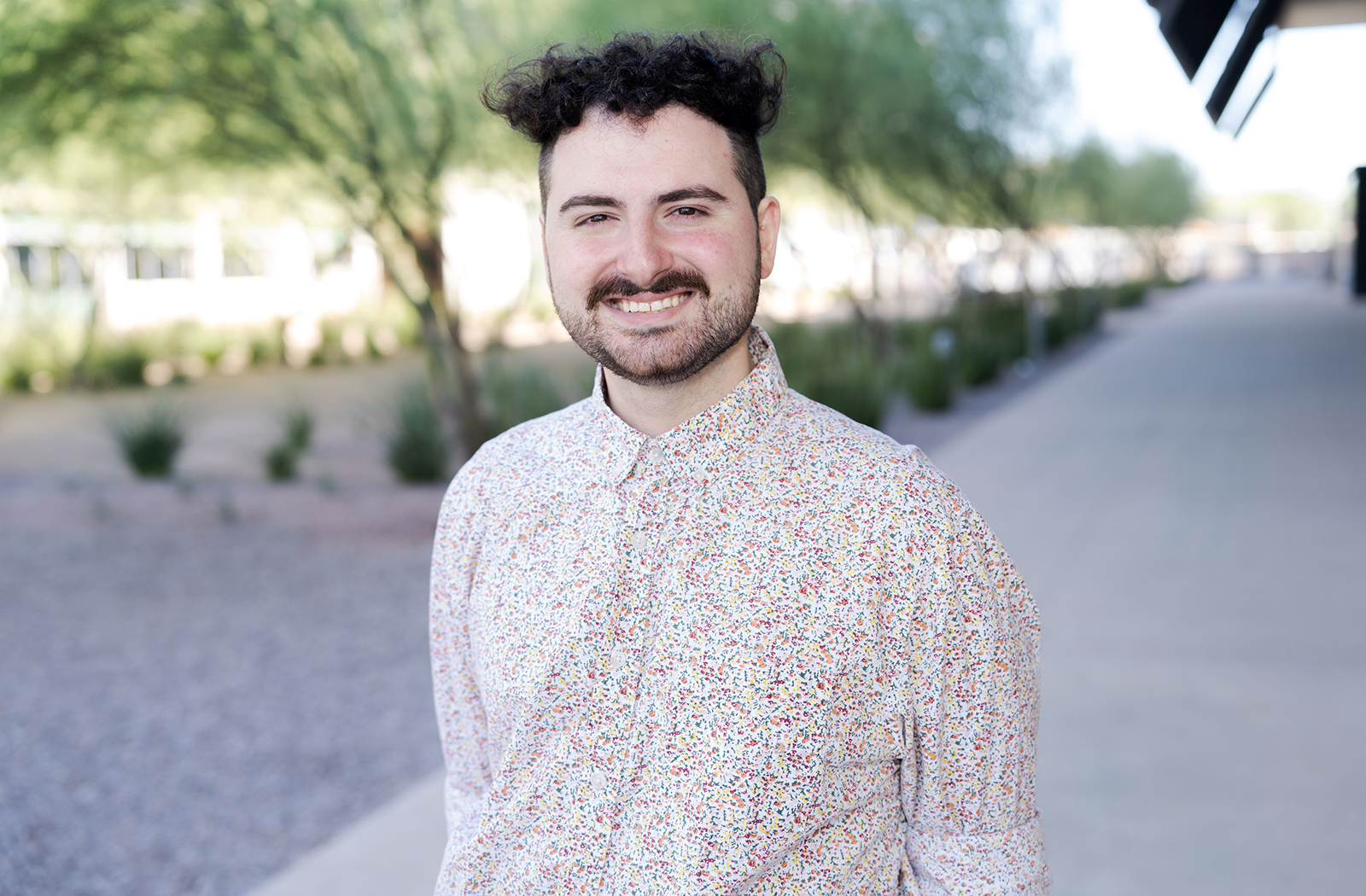
To address this issue, Tomer Rivir Yonatan Zilbershtein, a second-year medical student at the University of Arizona College of Medicine – Phoenix, is building an open-source simulation and analysis platform called TransPlan.

Zilbershtein, who came to medicine from software engineering, started the project after an ethics lecture left him wondering why the federal data needed to compare transplant centers sat in public databases that no patient could realistically use.
TransPlan brings that data together. Drawing on the Scientific Registry of Transplant Recipients, the Centers for Disease Control and Prevention, and the Environmental Protection Agency, the platform analyzes all 248 U.S. transplant centers across six organ types — allowing researchers, clinicians, and transplant advocates to examine how clinical and geographic factors shape transplant outcomes.
“The tool runs Monte Carlo simulations and Bayesian models to estimate wait times, transplant probabilities and competing risks for each city, personalized to a patient’s organ, blood type and clinical scores,” Zilbershtein said. “The goal is to make information that’s currently only accessible to patients who can afford transplant consultants available to everyone for free.”
Users can view the best medical centers for organ transplants based on location, organ type, blood type, age, sex and urgency as variables.
“Some might see this as helping people game the system, to figure out where to move to increase their odds at getting an organ, but this information is already available to patients who can afford transplant consultants,” Zilbershtein said. “I’m just making it accessible to everyone, even if not everyone has the means to act on it.”
According to David Beyda, MD, professor and chair of the Department of Bioethics and Medical Humanism, this project prompts important discussion regarding transplant infrastructure today, and how patients and their families navigate the transplant system amid fear, exhaustion and information overload.
“Right now, many patients don’t know they can be listed at multiple centers, nor how dramatically survival rates and wait times can differ across state lines,” Dr. Beyda said. “TransPlan changes that. It puts the data in front of the people who need it most.”
A tool such as TransPlan could give families more agency in exploring the relevant data and discovering resources for support and informed decision making.
Beyond outcomes, future versions of TransPlan will incorporate quality-of-life measures, transplant center support infrastructure, financial and travel burdens and even insurance network compatibility. These expansions will make studying the ethical implications of this platform more accessible to equity researchers and those developing transplant policy.
Zilbershtein is searching for transplant specialists to connect with in hopes of preparing the platform for clinical validation, and to hopefully put this tool in the hands of patients all over the country soon.
"This is not a clinical decision support tool yet. People should not be making financial or medical decisions based on it until it has been clinically validated and certified for that purpose," Zilbershtein said. "By keeping the project open-source, I'm hoping researchers and developers will join in and help shape it into something that could one day genuinely support patients and clinicians."
About the College
Founded in 2007, the University of Arizona College of Medicine – Phoenix inspires and trains exemplary physicians, scientists and leaders to advance its core missions in education, research, clinical care and service to communities across Arizona. The college’s strength lies in our collaborations and partnerships with clinical affiliates, community organizations and industry sponsors. With our primary affiliate, Banner Health, we are recognized as the premier academic medical center in Phoenix. As an anchor institution of the Phoenix Bioscience Core, the college is home to signature research programs in neurosciences, cardiopulmonary diseases, immunology, informatics and metabolism. These focus areas uniquely position us to drive biomedical research and bolster economic development in the region.
As an urban institution with strong roots in rural and tribal health, the college has graduated more than 1,000 physicians and matriculates 130 students each year. Greater than 60% of matriculating students are from Arizona and many continue training at our GME sponsored residency programs, ultimately pursuing local academic and community-based opportunities. While our traditional four-year program continues to thrive, we will launch our recently approved accelerated three-year medical student curriculum with exclusive focus on primary care. This program is designed to further enhance workforce retention needs across Arizona.
The college has embarked on our strategic plan for 2025 to 2030. Learn more.