White Coat Profiles – Rachel Opferman

The White Coat Ceremony marks the first time a medical student will don his or her white coat, the defining symbol of a physician. The coat bestows a great honor on each student, and with it comes a responsibility to uphold the trust of every patient they will encounter. The Class of 2030 will receive their white coats on July 17 during a ceremony that begins at 3:30 p.m. in the North Ballroom of the Phoenix Convention Center.
Meet Rachel Opferman
Rachel Opferman was born and raised in Oregon. She then came to Arizona State University to earn her bachelor’s degree in biomedical engineering. Her interest in medicine came as somewhat of a surprise to others — as no one in her family is in a health care related career. However, it wasn’t a surprise to her.
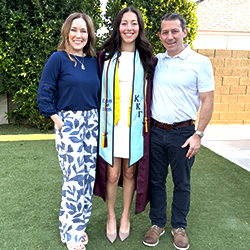
Medicine is a reflection of how Opferman was raised, shaped by her own interests and experiences. Opferman’s parents — her two biggest supporters — always emphasized the importance of compassion, service and helping others. Those values blended easily with her curiosity about science and health care, making medicine a natural path for her to pursue.
Path toward Medicine
What was the spark that led you to become a physician?
At a young age, I struggled with cystic acne and cycled through every treatment given to me without success. While acne is not life threatening, the frustration and helplessness I was feeling was very real and represented just a fraction of what many patients face daily. I realized that while my condition would not have lasting consequences on my health, countless others navigate far greater uncertainty and challenges.
It sparked a desire to help alleviate those feelings of fear, frustration and helplessness for others. I pursued biomedical engineering drawn by the promise that technology could do more than diagnose — it could heal, connect and transform the patient experience. As I gained more clinical exposure, my commitment to medicine continued to grow. Years later, I was able to contribute to the mission that first inspired me as an adolescent when I became a medical assistant in dermatology. There, I cared for and supported patients who faced the same frustrations I once did.
Did you do any volunteering in health fields prior to medical school?
For the past two years, I have had the joy of volunteering at Ryan House, a hospice and respite care facility for children and young adults just down the street from the College of Medicine – Phoenix! Building relationships with these children over my time spent playing board games, reading books or simply walking outside has been some of the greatest memories. The love at Ryan House is something you can feel right as you walk in and something I am honored to be a part of.
I have also been able to spend time at Banner – University Medical Center Phoenix at the surgery waiting room front desk and NICU. There are few things better than supporting families in the waiting room or spending time soothing newborns in the NICU, especially since I could help relieve the staff.
The College of Medicine – Phoenix
Why did you choose the College of Medicine – Phoenix?
The College of Medicine – Phoenix has been a part of my journey to becoming a physician long before July 6, 2026 — the first day of the academic calendar. Two years ago, I was welcomed into the community here as a member of the Pre-Medical Academy. This program introduced me to the instantly inclusive and supportive environment of the students, faculty and staff. I soon realized the college doesn’t just say they want you to succeed in your goals, they truly help you reach them.
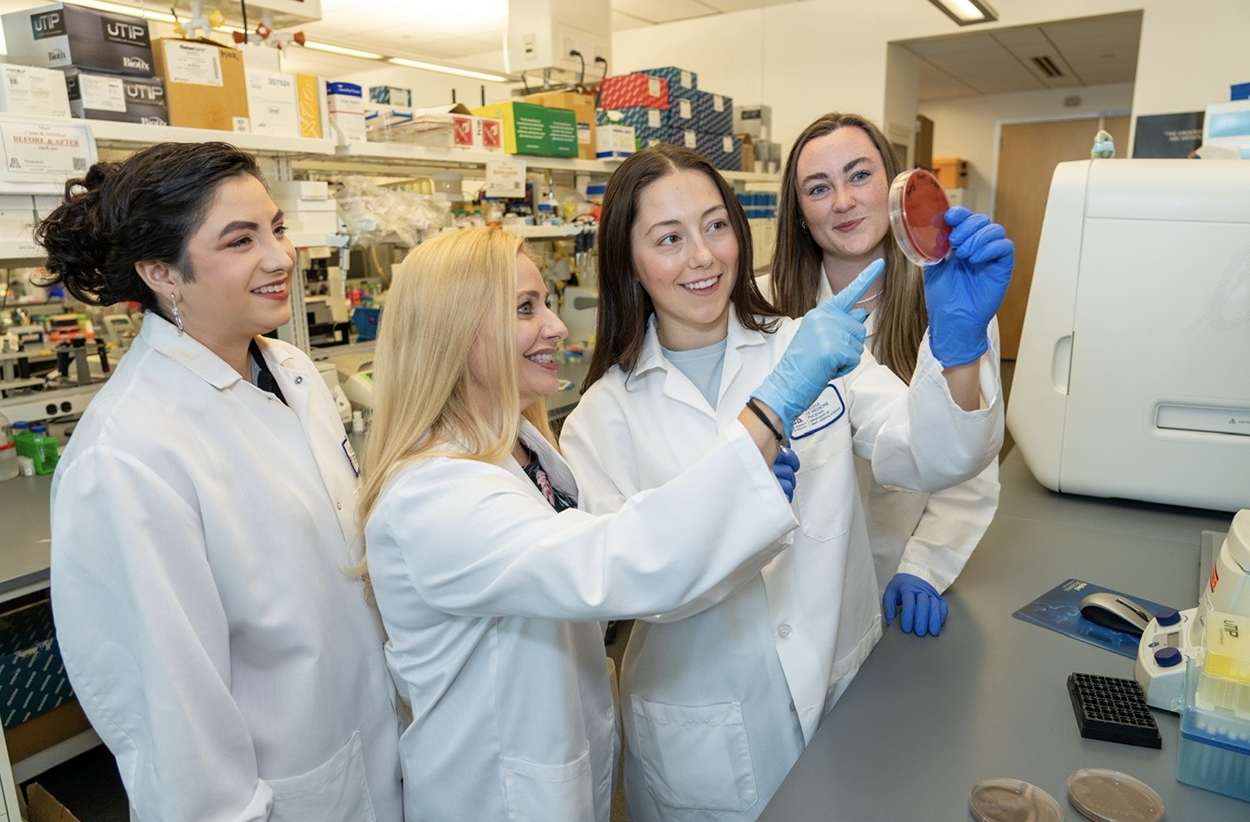
Because of that realization, I never lost touch with the community here and I returned as a participant of the Flinn Foundation Summer Research Program in the Herbst-Kralovetz lab and later as a Pre-Medical Academy preceptor, mentoring future students who were beginning the same journey I once embarked on. The culture of community and how they treat each other and their patients — with genuine care, respect and compassion — made the college’s values feel like home long before my first day of medical school.
What excites you most about beginning medical school?
Starting medical school feels like I’m standing at the beginning of an overwhelming opportunity, in the best way. I’m excited for the possibilities of what I can do with these next four years — including research, patient care, innovation, learning and connection — and there are so many goals I have in each. Medical school is an exciting start to contribute to each of them. I look forward to late study nights with energy drinks, bonding with my peers, being inspired by professors, finally reaching a significant p-value and putting my education to work through patient care.
Significance of the White Coat
What does the white coat mean to you?
How do I say everything without sounding cheesy? The white coat represents the beginning of a journey I have been looking forward to and working toward my whole life. My greatest fulfillment comes from helping others and this white coat offers a lifelong opportunity to pair that purpose with my fascination for science in service of patients. This white coat doesn't just rest on my shoulders, it rests on my parents, brother, grandparents, friends, mentors, professors and patients, all of which played a vital role in me having the honor to wear it. Safe to say, I have never been more grateful for a new piece of clothing!
About the College
Founded in 2007, the University of Arizona College of Medicine – Phoenix inspires and trains exemplary physicians, scientists and leaders to advance its core missions in education, research, clinical care and service to communities across Arizona. The college’s strength lies in our collaborations and partnerships with clinical affiliates, community organizations and industry sponsors. With our primary affiliate, Banner Health, we are recognized as the premier academic medical center in Phoenix. As an anchor institution of the Phoenix Bioscience Core, the college is home to signature research programs in neurosciences, cardiopulmonary diseases, immunology, informatics and metabolism. These focus areas uniquely position us to drive biomedical research and bolster economic development in the region.
As an urban institution with strong roots in rural and tribal health, the college has graduated more than 1,000 physicians and matriculates 130 students each year. Greater than 60% of matriculating students are from Arizona and many continue training at our GME sponsored residency programs, ultimately pursuing local academic and community-based opportunities. While our traditional four-year program continues to thrive, we will launch our recently approved accelerated three-year medical student curriculum with exclusive focus on primary care. This program is designed to further enhance workforce retention needs across Arizona.
The college has embarked on our strategic plan for 2025 to 2030. Learn more.