Overview
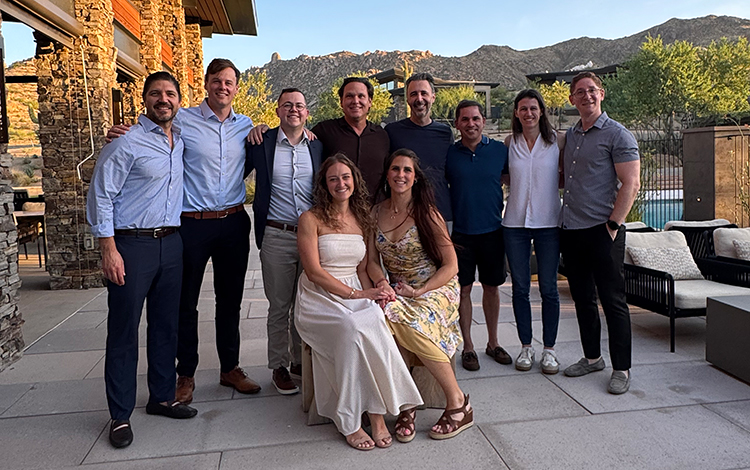
The Hand, Upper Extremity and Microsurgery Fellowship at the University of Arizona College of Medicine – Phoenix is a comprehensive 12-month program providing advanced training in hand surgery, microsurgery, peripheral nerve surgery, congenital hand differences, and complex upper extremity trauma.
The fellowship combines experience at a major Level I trauma center, a nationally recognized children's hospital, and multiple high-volume hand surgery practices throughout the Phoenix metropolitan area. Fellows develop expertise in acute trauma, reconstructive surgery, microsurgical reconstruction, replantation, pediatric hand surgery, and elective hand and upper extremity conditions through a carefully structured rotation schedule.
Faculty expertise spans the full spectrum of upper extremity care, including hand and wrist surgery, plastic and reconstructive surgery, pediatric and congenital hand surgery, shoulder and elbow surgery, orthopaedic trauma, and musculoskeletal oncology. Working alongside eight fellowship-trained faculty members, fellows benefit from individualized mentorship and significant operative autonomy in both academic and community practice settings.